
glass floor panels
Understanding Plain Ring Gauges A Comprehensive Overview Plain ring gauges are essential precision tools widely utilized in various industries for quality control and measurement purposes. These gauges are designed to check the dimensions of cylindrical parts, ensuring that they meet prescribed tolerances. This article will explore the significance, types, applications, and advantages of plain ring gauges, shedding light on why they are indispensable in manufacturing processes. What is a Plain Ring Gauge? A plain ring gauge is primarily used to measure the external diameter of cylindrical objects, such as shafts, rods, and pipes. It is an annular tool with a specific inner diameter, which serves as a reference for the part being measured. The main function of a plain ring gauge is to determine whether the measured cylindrical object conforms to the required specifications. It does this through a simple go/no-go system; if the object fits into the gauge, it passes the measurement criteria; if it does not, it fails. Types of Plain Ring Gauges Plain ring gauges are categorized into two main types Go gauges and No-Go gauges. 1. Go Gauges Also known as the accept gauge, the Go gauge is meant to check whether a part's diameter is within the acceptable tolerance range. If the part fits completely into the Go gauge, it meets the minimum acceptance criteria. 2. No-Go Gauges Conversely, No-Go gauges are used to ensure that the part does not exceed the maximum allowable size. If the part fits into the No-Go gauge, it indicates that the component is too large and thus fails the inspection. Manufacturing and Calibration The precision of plain ring gauges is vital; they are manufactured using high-quality materials such as tool steel or carbide to withstand wear and tear. Additionally, they undergo rigorous calibration processes to ensure their accuracy. Calibration involves comparing the gauge against a standard reference to maintain its precision over time. Regular checks and recalibration are necessary, especially in environments where high-volume production takes place, to ensure that the gauges remain reliable. Applications in Industry Plain ring gauges find applications across various industries, including plain ring gauges - Automotive In the automotive sector, these gauges are used to measure engine components, shafts, and other parts that require precise dimensions for proper fit and function. - Aerospace In aerospace manufacturing, where safety and precision are paramount, plain ring gauges are used to ensure that critical components meet stringent specifications . - Manufacturing Many manufacturing processes involve the use of plain ring gauges in quality control, verifying dimensions of parts before assembly or after machining. - Construction In construction, these gauges help measure the dimensions of pipes and fittings, ensuring that they conform to industry standards. Advantages of Plain Ring Gauges There are several advantages to using plain ring gauges in measurement and inspection processes - Simplicity The design of plain ring gauges is straightforward, making them easy to use with minimal training. - Durability Crafted from robust materials, they can withstand heavy usage and are less prone to damage compared to other measuring instruments. - Accuracy When properly calibrated, plain ring gauges provide highly accurate measurements, which is critical in precision engineering. - Cost-Effectiveness Compared to electronic measuring devices, plain ring gauges are more affordable, making them an economical choice for businesses without compromising on measurement quality. Conclusion In conclusion, plain ring gauges are vital tools in the realm of precision measurement. Their ability to provide reliable go/no-go checks helps maintain product quality and ensures that parts fit together seamlessly in assemblies. By understanding their types, manufacturing processes, and applications, industries can enhance their quality control measures. As manufacturing continues to evolve, the importance of accurate measurement tools like plain ring gauges will undoubtedly remain a cornerstone of efficient production practices.
about
glass floor panels
Replacing the Main Water Valve A Comprehensive Guide The main water valve is a crucial component in any plumbing system. It controls the flow of water into your home. Over time, this valve may develop leaks, become corroded, or fail to operate properly, leading to water supply issues. Replacing a faulty main water valve is essential to ensure a steady flow of water and prevent potential damage to your plumbing system. Here is a comprehensive guide on how to replace the main water valve effectively. Understanding the Main Water Valve Before diving into the replacement process, it's important to understand what the main water valve is and where it is located. The main water valve is usually found near the point where the water line enters your home, often in the basement, crawl space, or outside by the foundation. It is typically a quarter-turn valve that allows you to shut off the water supply to your entire home. Signs Your Valve Needs Replacing 1. Leaks If you notice water pooling around the valve, or if water drips continuously, it’s a sure sign that the valve may need to be replaced. 2. Corrosion Visible rust or corrosion on the valve body may indicate that it’s deteriorating and could fail soon. 3. Difficulty Turning the Valve If the valve is difficult to operate or does not fully shut off the water supply, replacement is likely necessary. 4. Age If your home was built many years ago and still has the original valve, consider replacing it as a preventative measure. Tools and Materials Needed Before starting the replacement, gather the following tools and materials - Pipe wrench or adjustable pliers - Screwdriver - Replacement main water valve - Teflon tape (plumber’s tape) - Towels or rags (to clean up any spills) - Bucket (to catch excess water) Step-by-Step Replacement Process replacing main water valve 1. Turn Off the Water Supply Locate the main water supply line leading to your home and turn off the water supply. This step is critical to prevent a mess and potential flooding. 2. Drain the Lines Open faucets throughout your home to drain any remaining water from the pipes. This will relieve pressure and minimize water spillage during the replacement. 3. Remove the Old Valve Using a pipe wrench, carefully loosen and unscrew the flanged connections of the existing valve. Be cautious as some remaining water may still leak out. Use towels or a bucket to catch any spills. 4. Prepare the New Valve Before installing the new valve, wrap the threads of the valve with Teflon tape to ensure a watertight seal. 5. Install the New Valve Position the new valve in place and secure it by tightening the connections with your pipe wrench. Ensure it is aligned correctly and the valve can easily be operated. 6. Turn On the Water Supply Once the new valve is installed, gradually turn the water supply back on. Check for any leaks around the new valve connections and tighten them if necessary. 7. Test the Valve Turn the valve to ensure it opens and closes smoothly. Test the water flow in your home to confirm that it operates correctly. Conclusion Replacing your main water valve may seem daunting, but with the right tools and a little bit of time, it can be accomplished successfully. Regular maintenance and timely replacement of plumbing components like the main water valve can save you from more significant issues in the future, ensuring your home remains a safe and comfortable place. If you are uncomfortable performing this task or run into complications, do not hesitate to contact a professional plumber for assistance.
-

High quality industrial productsagement

High quality industrial products
View Details -

Meet the diverse needs of customers

Meet the diverse needs of customers
View Details -

Strict quality control

Strict quality control
View Details -

Top raw materials

Top raw materials
View Details -

Trusted supplier

Trusted supplier
View Details
Our application
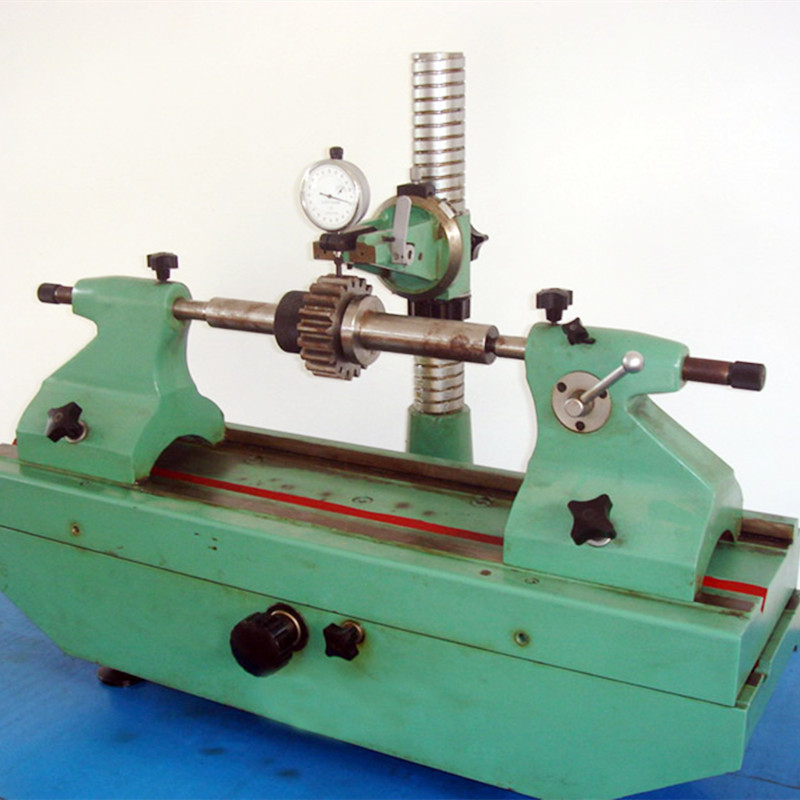
news and information
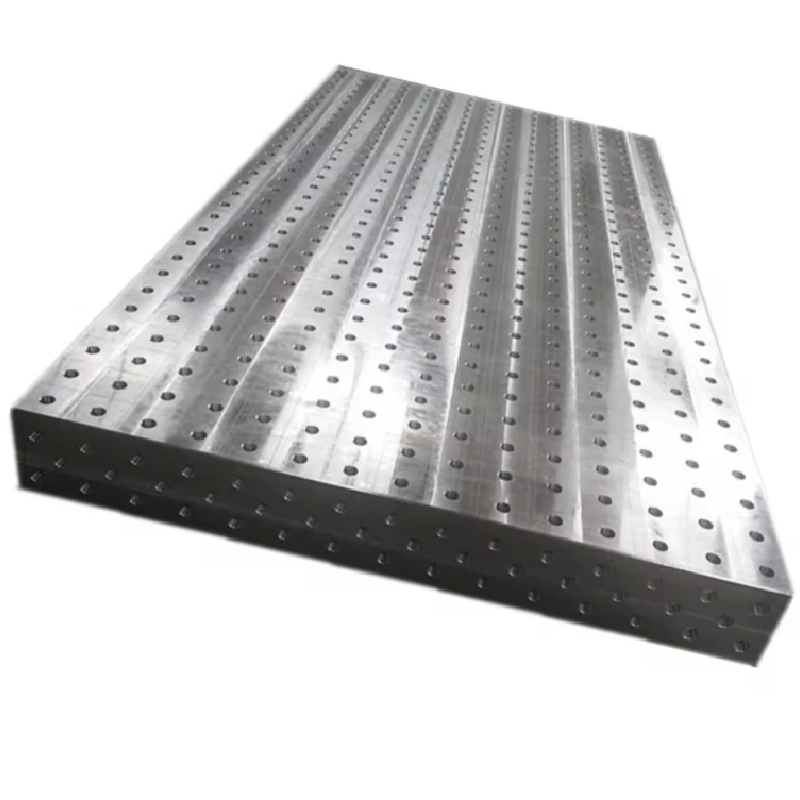
válvula de retenção de água unidirecional
Válvula de Retenção de Água Unidirecional Funcionamento e Aplicações As válvulas de retenção de água
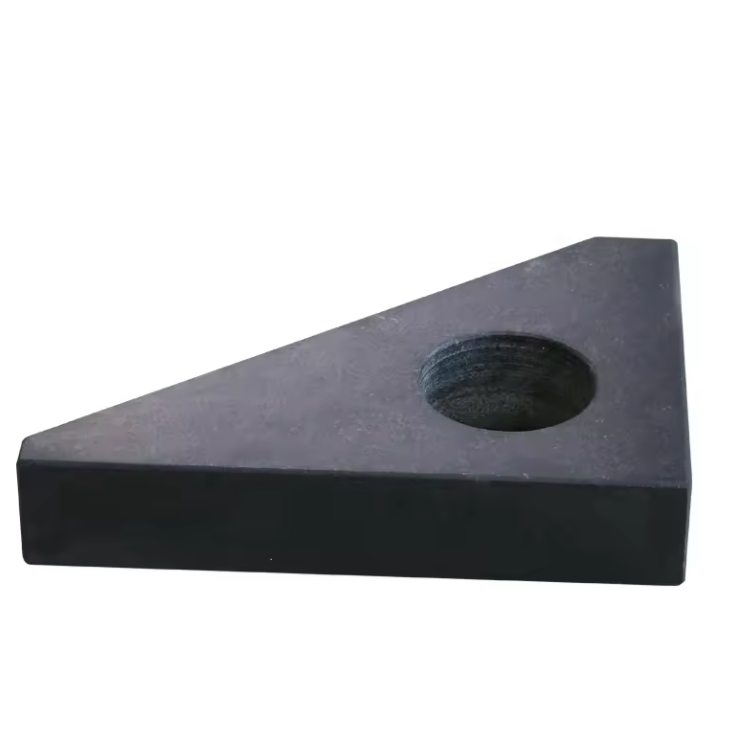
Valve Selection Guide_ Differences and Applications of Gate Valves and Globe Valves
When navigating the world of industrial valves, understanding the nuances between various types can

Wood frame joinery solutions for seamless construction and structural support connections
Wood frame connectors are essential components in any wooden structure, providing stability and supp
 English